
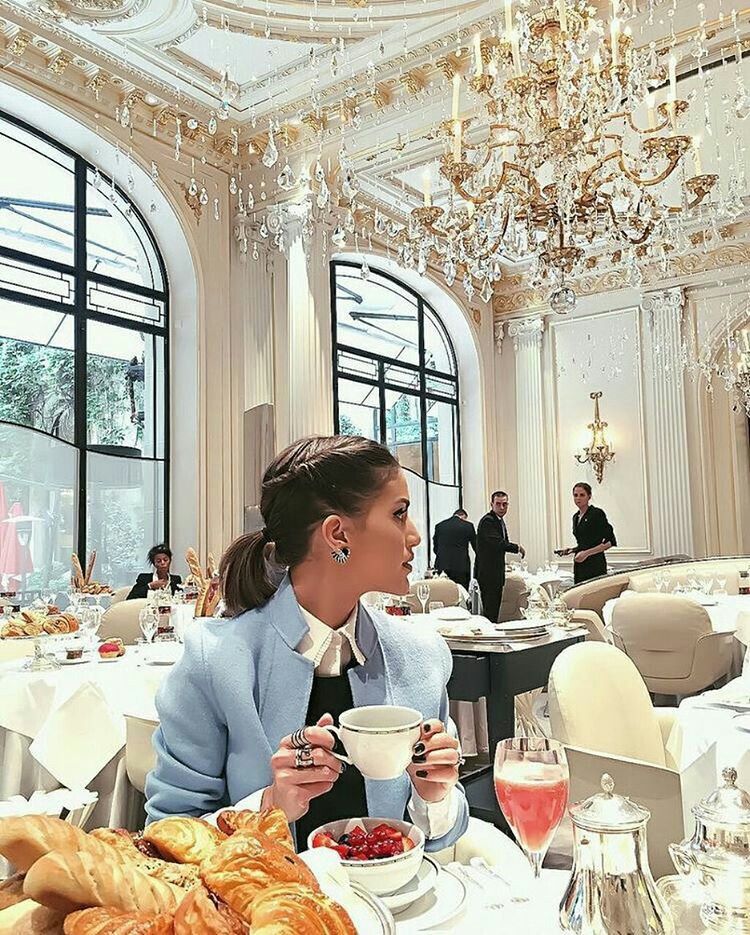

The most graceful women are never entirely soft, nor are they entirely hard. They inhabit a space of poised equilibrium, a subtle architecture of energies where flow and structure coexist in perfect balance. To the untrained eye, their actions seem effortless, their presence magnetic, and their lives impeccably ordered. Yet beneath this surface lies an often invisible framework: the inner gentleman, a cultivated masculine energy that supports, rather than dominates, the feminine.
For the woman whose inner masculine is underdeveloped, life often feels chaotic, disorganized, or reactive. Decisions are postponed, boundaries are unclear, and the pressure to “do everything herself” generates internal tension. Conversely, women who have an overdeveloped masculine often arrive at the same external efficiency — schedules impeccably arranged, obligations met — but at the cost of fluidity, receptivity, and presence. The cultivated inner gentleman is neither rigid nor reactive; it is purposeful, refined, and aligned, providing structure as a service to the feminine.
Cultivating this energy begins with understanding what it truly is. The inner gentleman is not a set of behaviors copied from traditional patriarchy; it is an internal archetype of refinement, discipline, and dignity. He wakes before dawn not to impress, but to prepare; he plans not to control, but to protect the flow of life; he speaks with clarity not to dominate, but to communicate with authority. In the modern woman, this energy is a conscious tool — a cultivated presence that informs every action, every interaction, every decision with intentionality and grace.
Structure, in this sense, is a form of luxury. It is a soft yet unwavering framework that allows the feminine to shine without fear or hesitation. Rituals, habits, and personal protocols become instruments of power when guided by this inner gentleman. Morning practices are not chores; they are ceremonial acts that align the body and mind. Financial decisions are not burdens; they are exercises in sovereignty and discernment. Time is not fragmented; it flows according to a cadence chosen consciously, reflecting both personal values and energetic priorities.
A cultivated inner masculine also teaches respect for boundaries, both within and without. The woman with this energy knows the value of space — her own and that of others. She does not overextend herself out of guilt or obligation; she does not acquiesce to demands that would disrupt her alignment. This is not coldness, nor is it detachment. It is the manifestation of a principle the aristocratic matriarchs have known for centuries: that authority grounded in structure enhances the magnetism of the feminine.
Integration of this energy does not come from brute force or imitation. It emerges through deliberate cultivation. A woman may refine her inner gentleman by practicing presence in decision-making, by honoring her commitments, by mastering the art of pacing and composure. She observes how her energy influences outcomes, noticing where rigidity creeps in and softening it with awareness. She leverages etiquette, social poise, and intellectual rigor not as masks, but as expressions of an internal order that supports her essence. Every choice becomes an opportunity to demonstrate that discipline need not oppose grace, and authority need not extinguish magnetism.
Polarity, at its heart, is the invisible architecture that guides relationships, interactions, and influence. When a woman cultivates her inner gentleman, she does not suppress her feminine; rather, she enhances the natural pull between energies, creating magnetic resonance. Her presence signals stability without aggression, intention without coercion, and power without performance. The inner masculine, properly aligned, becomes a vessel for the feminine to express her fullness, drawing others into her orbit not by effort, but by calibrated frequency.
This energy is particularly transformative when applied to everyday life. A structured approach to personal space, professional obligations, and social interactions frees the feminine from distraction and overwhelm. Elegance, composure, and refinement are not external displays but emergent properties of internal order. Ritualized practices — whether arranging a table, hosting guests, curating attire, or planning a day with precision — all become extensions of this cultivated masculine, supporting the feminine’s natural magnetism. The results are not merely aesthetic; they are energetic. People feel drawn to her presence, not because she performs for them, but because she is fully anchored within herself.
Moreover, cultivating the inner gentleman has a profound effect on relationships. Women who engage this energy attract partners, colleagues, and collaborators who mirror alignment and integrity, rather than chaos or reactive energy. They set the tone for interaction with subtle authority, expecting respect while remaining fluid and receptive. The inner gentleman allows her to engage fully without sacrificing sovereignty, to act decisively without cutting off her intuition, and to lead without overwhelming. It is, in essence, discipline in service of grace.
Finally, this practice is cumulative. The inner gentleman is refined over time, through conscious repetition and embodiment. Each deliberate choice, each measured action, and each internal calibration strengthens the architecture of her being. She becomes a woman who can act with precision without rigidity, speak with authority without harshness, and structure her life in ways that allow the feminine to radiate naturally and effortlessly.
At Rosewood Institute, we teach that cultivating this inner masculine is not an optional refinement — it is foundational. It is the energy that allows a woman to hold her presence, command her environment, and navigate the world with sovereignty. It is the invisible framework supporting the outward expression of grace, poise, and magnetism. By aligning with her inner gentleman, a woman does not become harder, more controlling, or less soft; she becomes whole, integrated, and radiant.
In the end, the feminine path to structure is not a paradox — it is the highest expression of energetic balance. It is the art of embodying the discipline of the inner gentleman while allowing the inner feminine to flourish. Structure is no longer an obligation; it is a manifestation of sovereignty. Authority is no longer performative; it is a natural consequence of alignment. And grace is no longer fragile; it is fortified by the integrity of internal order. In cultivating the inner gentleman, a woman steps fully into the architecture of her own power, balancing energy, presence, and purpose with refined, sovereign elegance.



 ROSEWOOD INSTITUTE
Leave a comment