
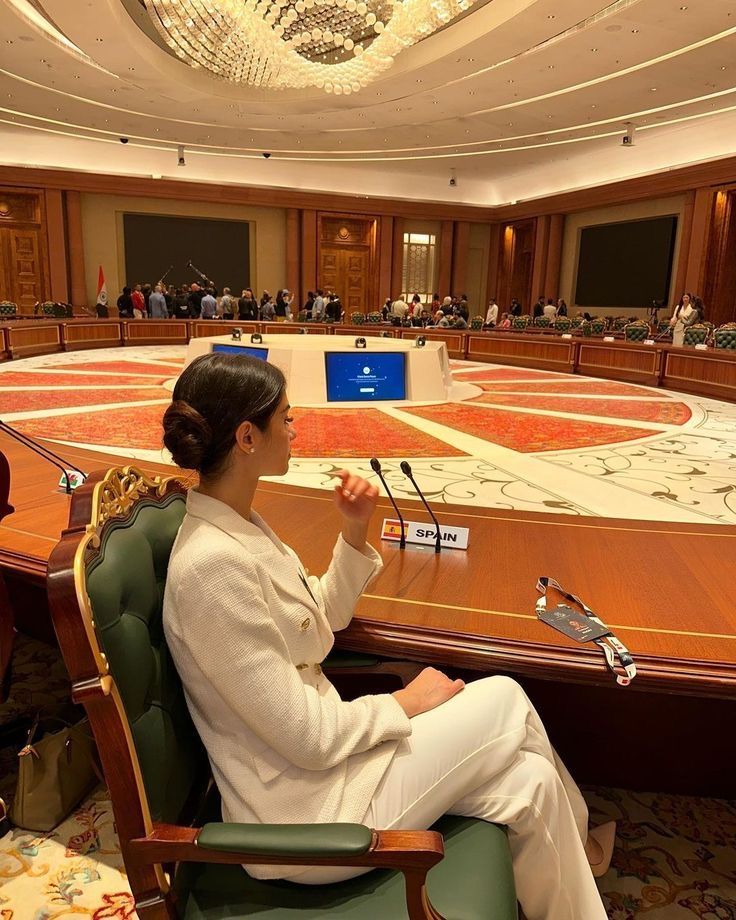
In a world that prizes achievement, speed, and measurable results, it is easy for high-performing women to become habituated to the energy of relentless “doing.” From boardrooms to social engagements, the signals of masculine frequency—efficiency, calculation, ambition—are everywhere. Yet, there exists a subtler, profoundly potent energy: the feminine frequency. Here lies an effortless authority, a magnetic presence, and a luminous power that does not demand attention but naturally commands it. The journey from hustle to flow is not about abandoning ambition—it is about tempering it with presence, softness, and rhythm. It is the art of moving from constant action into conscious being.
The Historical Roots of Masculine and Feminine Modes
The framing of masculine and feminine energies is timeless. Classical philosophy recognized dualities in human nature: Plato described the “rational” and the “emotional,” while Eastern traditions spoke of yin and yang—interdependent yet distinct forces. For women of refinement, history provides examples of these energies balanced with elegance. In the salons of 18th-century France, women wielded influence not through force or overt competition but through presence, conversation, and cultivated intuition. Their power was relational, magnetic, and strategic—a feminine frequency in action.
Contrast this with the masculine archetype that dominated the spheres of industry, politics, and commerce. Masculine energy prizes output, linear progress, and quantifiable achievement. While undeniably valuable, when it dominates exclusively, it creates imbalance: tension, exhaustion, and a sense of disconnection from intuition, creativity, and relational intelligence. High-performing women often internalize this mode, assuming that relentless hustle equates to worth and influence.
Recognizing the Signs of Masculine-Only Living
Before one can transition into feminine frequency, recognition is essential. Signs of masculine-only dominance manifest subtly:
- The compulsion to “always be doing,” even during leisure moments.
- Decision-making rooted solely in logic or calculation, without consulting intuition.
- A perception that rest is indulgent rather than strategic.
- Difficulty in receiving support or allowing others to contribute, stemming from an internalized need for control.
Historically, the imbalance was not always visible; aristocratic women who navigated both courtly influence and household management understood the necessity of blending energies. Modern women, too, can reclaim this wisdom, creating a life where action is informed by presence rather than reactive necessity.
Cultivating the Feminine Frequency
Shifting into feminine frequency is not an act of abandoning responsibility; it is a deliberate, strategic recalibration. It begins with presence—a conscious attunement to self and environment. High-frequency feminine energy thrives in subtlety, rhythm, and intentionality. This frequency is reflected in physical presence, voice, gesture, and even the curated spaces one inhabits. The essence is not performance but resonance: the ability to influence through being rather than doing.
Presence as a Practice
Presence is cultivated through ritualized pauses, mindful breathing, and attunement to internal cues. Women of history understood the power of stillness: in Japanese tea ceremonies, the hostess’s every gesture was precise, yet imbued with spaciousness and calm; in European courts, private chambers were sanctuaries where reflection preceded action. Modern practices echo this wisdom: meditation, breathwork, and reflective journaling are all tools to slow the mental tempo and reconnect with intuition.
Presence also extends to listening. In masculine-only modes, conversation often centers on information exchange or goal alignment. Feminine frequency invites depth, curiosity, and empathy. Listening with attention, without immediate response or judgment, generates trust, connection, and influence.
Rituals for Flow
Ritual anchors feminine energy in daily life. They signal to the nervous system that one is entering a state of being rather than doing. Morning rituals might include slow movement, journaling intentions, or tea ceremonies; evening rituals could incorporate reflection, gratitude, or restorative baths. These practices are both practical and symbolic: they mark transitions, honor personal rhythm, and reinforce alignment with one’s highest frequency.
Historical examples abound. Victorian-era women of status often engaged in letter writing, contemplation, and garden walks—seemingly leisurely activities, yet carefully designed to cultivate creativity, clarity, and relational intelligence. Modern high-performing women can reinterpret these practices: a brief pause before responding to email, a meditative stroll in nature, or intentional breathing between meetings transforms ordinary routines into energetic recalibration.
Balancing Action with Receptivity
Masculine energy drives results; feminine energy cultivates receptivity. True influence requires both. The feminine frequency is not passive—it is dynamic, magnetic, and deeply strategic. By integrating receptivity, high-performing women allow inspiration, support, and opportunities to flow toward them, rather than relying exclusively on their own labor.
Practical application of this principle includes delegation, intentional rest, and collaborative engagement. Historically, aristocratic women exercised influence through networks, patronage, and strategic relationships rather than solo effort. Today, high-frequency women can embody this principle by leaning into mentorship, collaboration, and strategic partnerships, amplifying impact while conserving energy.
The Role of Embodiment
Embodiment is essential to feminine frequency. How one carries the body communicates as much, if not more, than words or actions. Historical figures understood this intuitively: from the poised walk of courtly women to the deliberate gestures of ceremonial leaders, the body is a vessel for energy. Modern practices, such as somatic awareness, conscious posture, and movement practices like yoga or dance, cultivate this alignment. Embodiment transforms presence into a tangible signal of authority, elegance, and magnetic resonance.
Creativity, Intuition, and Influence
Feminine frequency is deeply tied to creativity and intuition. When a woman operates solely in masculine energy, ideas are often filtered through logic alone. By shifting into flow, intuition becomes a guide, revealing opportunities, insights, and solutions that are invisible to linear thinking. Historically, women’s salons and intellectual gatherings were incubators of such insight: ideas flowed in conversational, relational spaces rather than through rigid structures.
Influence emerges naturally when intuition informs action. High-performing women who cultivate flow do not need to assert dominance; they become attractors, their ideas and presence resonating in a way that commands respect, loyalty, and admiration.
Practical Integration: Daily Flow
Transitioning from hustle to flow is a process, not a momentary choice. Consider the day segmented into rhythms rather than rigid schedules. Start with a morning of presence: meditation, journaling, or mindful movement. Engage in work with bursts of focused action, interspersed with brief pauses to attune to intuition. Conclude the day with reflective and restorative rituals. Over time, the nervous system recalibrates, tension dissipates, and high-frequency feminine energy becomes the default state.
Light cues can assist this integration. Scent, music, and light are not merely decorative—they signal states of energy to the body. Essential oils like jasmine or rose can subtly reinforce receptivity and presence. Classical or ambient music primes creativity and flow. Natural light, or warm ambient lighting, signals rhythm and anchors circadian alignment. Historical precedent exists in every aristocratic estate, where spaces were intentionally designed to support both work and reflection.
The Long-Term Benefits of Feminine Frequency
The shift from masculine-only hustle to integrated feminine flow carries profound benefits. Women who embody this energy experience less exhaustion, heightened clarity, and stronger influence. Decision-making becomes intuitive yet strategic. Relationships—personal, social, and professional—are enriched through presence and receptivity. Creativity flourishes, and life feels less reactive and more intentionally orchestrated.
Moreover, the integration of feminine frequency cultivates an internal authority that does not rely on external validation. Historical women of influence understood this: salons, patronage, and private chambers were venues for quiet power, cultivated through presence, elegance, and refined energy. Modern high-performing women can reclaim the same strategy, creating a life where influence is effortless, presence is magnetic, and achievements are aligned with being rather than mere doing.
Conclusion: The Elegance of Flow
Transitioning from hustle to flow is not an abandonment of ambition; it is an elevation of strategy. Masculine energy drives results, but feminine frequency commands resonance. By embracing presence, ritual, embodiment, and intuition, high-performing women reclaim a rhythm that honors both achievement and being. Flow is not a compromise—it is a refinement. It is a deliberate dance between action and receptivity, producing influence that is felt long before it is articulated.
In the end, the woman who inhabits feminine frequency moves through life with effortless elegance. Her decisions are inspired, her presence magnetic, and her energy a quiet authority that transforms her environment and the world around her. The journey from hustle to flow is a reclamation of self—a return to the rhythms, presence, and resonance that have always defined true high-frequency feminine power.


 ROSEWOOD INSTITUTE
Leave a comment