

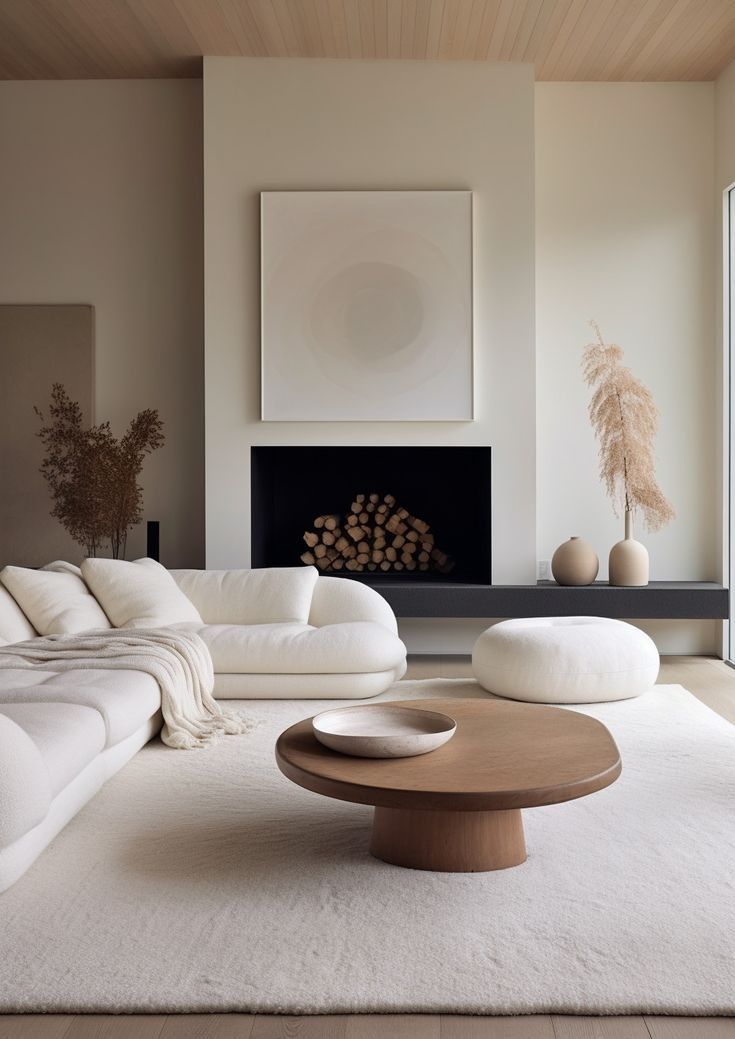
In contemporary culture, “minimalism” has become synonymous with refinement. White walls, sleek surfaces, muted palettes, and sparse décor are everywhere heralded as markers of taste, sophistication, and, by extension, status. But anyone who has spent time observing women of refined social coding knows that aesthetic minimalism alone rarely conveys true quiet luxury or internalized refinement.
Refinement, poise, and quiet authority are psychological and energetic phenomena first, visual ones second. Minimalism as a trend is often performative, aspirational, and easily mimicked, while refinement is innate, measured, and felt. Understanding the difference is essential for women striving to cultivate an elevated feminine presence that is sovereign, magnetic, and enduring.
Minimalism vs. Refinement
Minimalism often emphasizes what is removed—objects, color, complexity—under the assumption that simplicity automatically signals taste. But true refinement operates on a different axis: it’s not the absence of clutter but the presence of intention, structure, and energetic harmony.
Women who rely solely on aesthetic minimalism may find that their environment feels sparse yet uninspired, anxious, or emotionally cold. Without the internal coding of refinement, the same minimalist space can feel like performance without substance, signaling awareness of trends rather than the cultivated elegance of lineage, practice, or internal authority.
Refinement, on the other hand, is felt before it is seen. It manifests in:
- The rhythm of movement, the cadence of speech, and the poise of posture
- The intentionality behind object placement, color choices, and tactile quality
- Emotional containment, discretion, and the ability to engage without overextending
- Energetic resonance, creating a magnetic presence even in silence
The aesthetic is secondary; it is the physical expression of an internal state. Minimalism can be a tool, but without psychological and energetic sophistication, it remains surface-level.
The Psychological Architecture of Quiet Luxury
Quiet luxury is a state of mind as much as a style choice. It is built upon:
- Internalized Standards
- Women with refined energy do not need to broadcast their taste or status. Their standards are internalized and self-reinforcing, dictating behavior, choices, and boundaries without external validation.
- Measured Engagement
- Every social interaction, gesture, and disclosure is deliberate. There is no compulsion to chase attention or prove worth, which communicates authority effortlessly.
- Energetic Economy
- Energy is treated as currency. Women who embody quiet luxury choose where and how to expend emotional and social energy, preserving sovereignty and avoiding overextension.
- Cultural Literacy and Contextual Awareness
- Refinement is codified by understanding cultural, historical, and aesthetic context. A woman of quiet luxury knows why certain colors, fabrics, or rituals matter, and she applies them intentionally rather than by trend.
Minimalism, by contrast, often lacks these layers. The aesthetic can mimic refinement superficially but fails to convey internal authority, experiential depth, or energetic sovereignty.
Why Minimalism Without Internal Structure Falls Flat
Consider the woman whose apartment is immaculate, sparse, and designed according to every “trend” in quiet luxury. Without internalized refinement:
- The space may feel cold, transactional, or anxious, reflecting the occupant’s need to perform rather than inhabit.
- Guests may sense a lack of energetic warmth or relational safety, leaving interactions superficial.
- The woman herself may feel under pressure to maintain the aesthetic, creating a cycle of perfectionism and self-monitoring that erodes genuine confidence.
True quiet luxury is effortless and resonant because it is grounded in internal structure, energetic sovereignty, and relational intelligence. Minimalism without this foundation is only a visual approximation of class, not its essence.
The Role of Inner Masculine Structure
An often-overlooked aspect of refinement is the balance between inner feminine and inner masculine energies. The inner feminine provides:
- Softness, receptivity, and intuitive awareness
- Emotional nuance and relational attunement
- Subtlety in expression and social navigation
The inner masculine provides:
- Discipline, structure, and boundary enforcement
- Internal authority and decision-making clarity
- The ability to anchor energy and maintain sovereignty
Quiet luxury, and the refinement it conveys, requires both energies in balance. Women who lean too far into the inner feminine may create beautiful, airy spaces but lack the structure to sustain presence or enforce energetic boundaries. Conversely, an overdeveloped inner masculine without receptive softness produces environments that are rigid, austere, or uninviting.
Minimalism often appeals to women with strong aesthetic or inner masculine tendencies, but without cultivating the receptive, relationally aware inner feminine, the result can feel stark, performative, or energetically flat.
Rituals as a Tool of Quiet Luxury
Refinement is reinforced through ritualized behavior, which communicates standards, presence, and authority without explicit display. Rituals can be as simple as:
- Daily morning or evening routines that cultivate mental clarity and poise
- Conscious movement through space, from entering a room to hosting guests
- Selective curation of objects, lighting, and sound, ensuring that environments resonate energetically
- Engagement in cultural practices that reinforce taste, literacy, and social awareness
These rituals create internal architecture, allowing women to inhabit elegance without effort, trends, or performance. Minimalism without ritual remains superficial and vulnerable to cultural volatility.
Energetic Resonance Over Aesthetic Show
One of the key lessons of quiet luxury is that energy always precedes perception. Observers feel a woman’s refinement before they notice the quality of her décor, attire, or possessions.
Energetic markers of quiet luxury include:
- Calm assertiveness: The ability to influence without raising one’s voice or demanding attention
- Measured generosity: Offering attention, gifts, or conversation selectively, preserving presence and boundaries
- Subtlety in communication: Sharing knowledge, taste, and insight without proving superiority or seeking validation
- Presence over performance: Occupying space fully without needing external reinforcement
These markers create an aura of sovereignty, magnetic discretion, and enduring influence—qualities minimalism alone cannot generate.
Quiet Luxury as a Lifestyle, Not a Trend
Refinement is not limited to interiors or wardrobe. It is a holistic practice, encompassing:
- Movement: Graceful, deliberate physicality
- Speech: Measured, articulate, and resonant communication
- Relationships: Engagement with discretion and energetic clarity
- Time: Cultivation of selective social, professional, and creative endeavors
Minimalism may influence any of these areas superficially, but without intentionality, energy management, and internal authority, the lifestyle lacks coherence, resonance, and enduring elegance.
Women of quiet luxury move through social, professional, and domestic spaces with fluidity, presence, and autonomy. Their elegance is felt before it is seen, heard before it is announced, and respected before it is questioned.
Cultivating Your Own Quiet Luxury
To move beyond minimalism and into authentic refinement:
- Anchor in Internal Authority: Develop discipline, clarity, and decision-making grounded in your values rather than external validation.
- Balance Inner Feminine and Masculine Energies: Cultivate receptivity, subtlety, and relational attunement alongside structure, boundaries, and sovereignty.
- Ritualize Presence: Daily habits, movement, and engagement should reinforce your standards and poise.
- Curate With Purpose: Each object, color, and interaction should be intentional, resonating with both aesthetic and energetic harmony.
- Engage Selectively: Presence is magnetic when offered deliberately; avoid overextending emotional or social energy.
By internalizing these practices, refinement becomes a lived experience rather than a performance, radiating through spaces, relationships, and personal energy.
Closing Thoughts
Minimalism can be a starting point—a way to reduce noise and cultivate space—but it is not refinement by default. True quiet luxury arises from internalized standards, energetic sovereignty, balanced inner masculine/feminine energies, and ritualized presence. It is felt before it is seen, respected before it is challenged, and enduring beyond fleeting trends.
At Rosewood Institute, we teach women to embody sovereign refinement: a presence that communicates value, authority, and elegance without effort or proclamation. Quiet luxury is not decoration—it is the psychology, energy, and behavior of women who move through the world with measured mastery, magnetic discretion, and the quiet assurance of internalized wealth.


Leave a Reply